
Collection accessibility with Wikimedia platforms
Wikimedia and its various platforms remain incredibly valuable for sharing cultural content. Making cultural heritage collections accessible on Wikimedia platforms increases the online visibility of heritage gems and is something that organisations, both large and small, can easily get started with. Win-win! We share some inspiring use cases and best practices below – to encourage cultural heritage organisations to start using these Wikimedia platforms themselves.
Why Wikimedia?
It’s not always easy for organisations in the cultural sector – especially smaller ones – to offer their content and/or data through their own channels. But thankfully, this barrier is much lower on Wikimedia platforms. And there are already users ready to reuse the content, so organisations can easily reach a wide audience. Wikipedia (online encyclopaedia), Wikimedia Commons (database for images, audio, video and other files), and Wikidata (database for structured data) are particularly suitable environments for this.
The content from Wikimedia Commons and the data from Wikidata can also easily be used in Wikipedia articles, further increasing the visibility of collections. The platforms also offer a solution for multilingual accessibility.
What can an upload do for art and heritage?
For illustration: in 2024 and 2025, we uploaded photos from our art and heritage image database artinflanders.be to Wikimedia Commons, and added 134 images to 65 Wikipedia articles. Those pages – and so also the images – are now being viewed 268,986 times per month on average (figures from February to May 2025). A significant boost for visibility!
Meemoo and the Wikimedia Community
At meemoo, we have long been proud members of the Wikimedia community.
We strive to make as much cultural data and content as open as possible – so it is findable, accessible and usable for as many people as possible. That’s why we’ve been contributing to Wikimedia platforms for years – and building bridges between Wikimedia and the cultural sector. We encourage players in the sector to make their data and content available for free reuse when the copyright status, data protection and any contractual obligations allow.
In 2024, we were awarded the Wikimedia Netherlands Connection Prize for ‘our exceptional commitment to free content’. Learn more about this wonderful recognition.

Get inspired
At meemoo, we aim to strengthen the online presence of cultural heritage. With our own platforms, and by encouraging the cultural sector to also publish their data and content on Wikimedia platforms. Our collaboration with the Wikimedia community goes back quite a long way – beginning in 2015 and taking shape since in a series of collaborations, training sessions, tools and projects:
Together with Wikimedia Belgium, we have been organising Public Domain Day annually since 2018. We also regularly organise workshops, training sessions, and masterclasses on uploading to Wikimedia platforms.
We organise Wikipedia writing sessions where participants create new articles and enrich or improve existing ones. Topics of past writing sessions include: children’s literature, the Prentenkabinet (Print Room), the Thijs Collection, dance and performing arts (consult the results here in Dutch), Gevaert photographic paper. In 2024 and 2025 (links in Dutch), we joined forces with numerous heritage organisations to write more women into Wikipedia during writing sessions for International Women’s Day.
In 2019, we launched the Public Domain Tool – which uses Wikidata to check whether the copyright protection on heritage objects has expired. The data from the Public Domain Tool can flow directly into Wikidata.

We provide regular support for the accessibility of collections and data uploads to Wikimedia platforms for Kunstenpunt (Flanders Arts Institute), KOERS - Museum of Cycle Racing, Archiefbank Vlaanderen, jeugdliteratuur.org, the archive material of De Singel, the collection(s) of the King Baudouin Foundation as linked open data, data from the Heritage Map, metadata from the agenda of De Witte Raaf, 840 reproductions of public domain artworks from the Groeninge Museum, image donations from the library of the University of Antwerp, high-resolution images, metadata from the Prentenkabinet, and data on the letter correspondents with Guido Gezelle. We also maintain a list of all the image uploads we have supported.
Highlighted projects
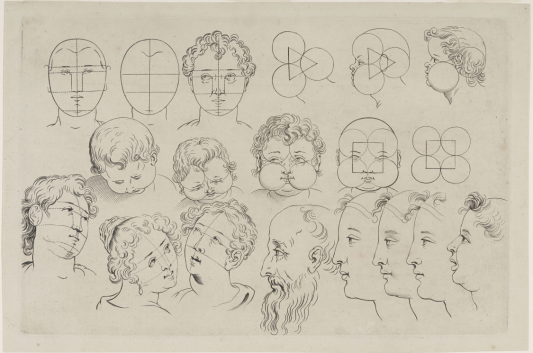
In Visual Name Authority (2023-2026), we are aiming to use artificial intelligence to facilitate metadata creation and enrichment – improving the findability and searchability of heritage collections. We use Wikidata to uniquely and unambiguously identify and link personal names. We previously did this in the FAME project and the GIVE metadata project.
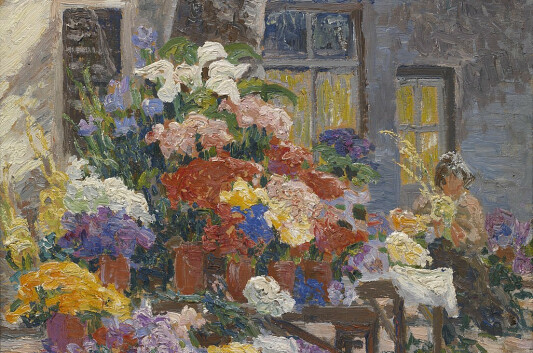
In the DO IT! project (2022-2023), we determined the public domain status of collection items using the Public Domain Tool. This tool uses data about creators from Wikidata and also writes additional data back to Wikidata.
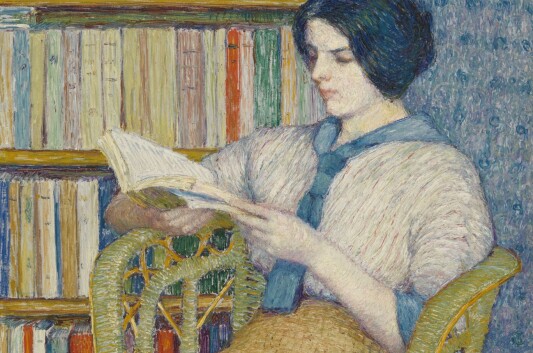
The Women of Paper project (2022-2024) supports the inclusion of data from the person register of the Guido Gezelle archive in Wikidata and the writing of Wikipedia pages about notable women from this register – helping to close the gender gap on Wikipedia.
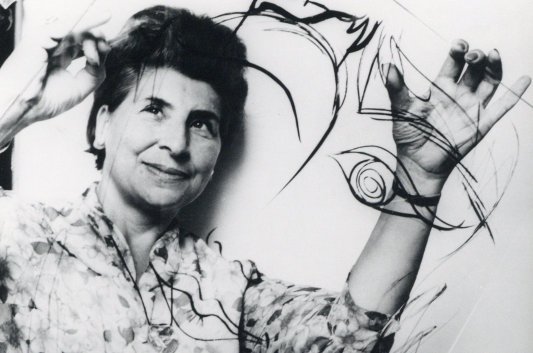
With Wiki Women Design (2020-2021), the Flanders Architecture Institute (VAi) aimed to bring women who have left their mark on design heritage in Belgium out of the shadows of history. These women were documented on Wikimedia platforms. We supported the organisation of several Wikipedia writing sessions and participated in the expert group that guided the project.
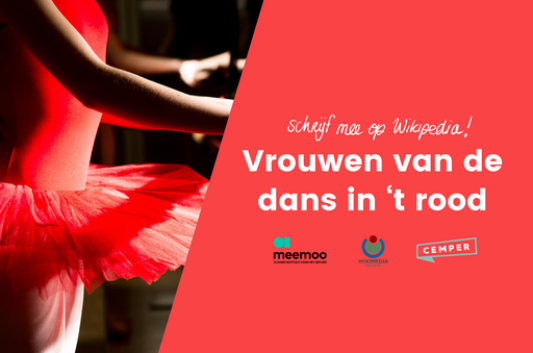
As part of the Women of Dance in Red project, we organised a training session and virtual Q&A sessions on writing for Wikipedia. This was another effort to close the gender gap on Wikipedia.
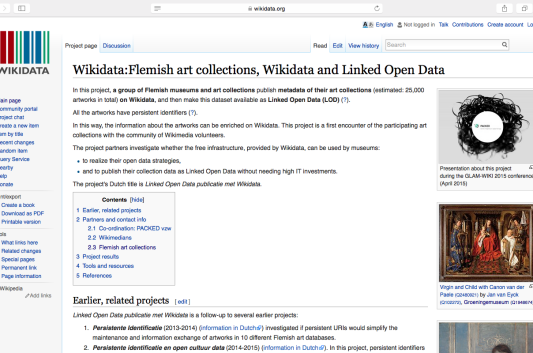
In the Linked open data publication with Wikidata project (2015-2016), we made identification data of artworks from seven Flemish museums available as linked open data (LOD) using the Wikidata platform.
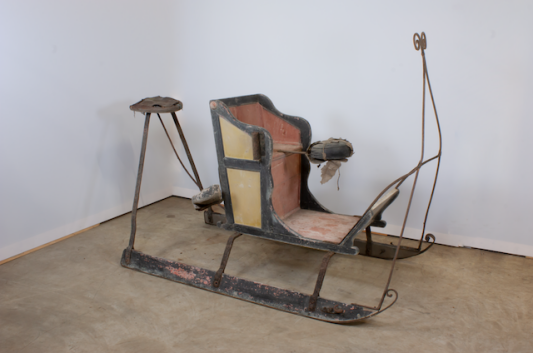
In beeld, arrenslee, Karrenmuseum
The Karrenmuseum conducted three research projects from 2013 to 2017 on the inventory of carts, wagons or carriages – in which we were responsible for publishing the results on Wikidata.
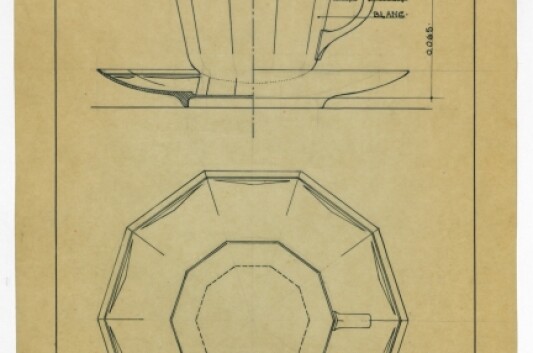
DIVA caught up on the registration backlog of the Fonds Wolfers collection, a well-known player in the development of art nouveau and art deco. Open data and rights-free images were published on Wikimedia and Wikidata. We were part of the steering group for the project.
We joined the Wikimedia Foundation’s initiative on structured data, and worked on three use cases that explored its use on Wikimedia Commons (around design, fine arts and archive collections).
- T • +32 9 298 05 01
- M • bart.magnus@meemoo.be