
Sustainable storage for more digital collections? Here’s what’s needed
2 Jul 2025Our current management agreement with the Flemish Government ends later this year. In recent months, we have therefore held many discussions with much reflection: what should we focus on in the future? We consulted our content partners to help shape our plans for 2026-2030 – and one of the topics explored was the preservation of digital collections.
Ever since our early days, we’ve been committed to digitising our content partners’ analogue material and digitally archiving the files. But what about their digital collections? A survey in 2016 revealed that a staggering 75% of our content partners also needed a solution for storing digital files.
Shortly thereafter, we started our digital intake service. This allows us to welcome our content partners’ born-digital content – and material that has been digitised previously (not by us) – for sustainable preservation. We’ve now already received over 4 million objects from more than 60 content partners into the safe haven of our archive system.
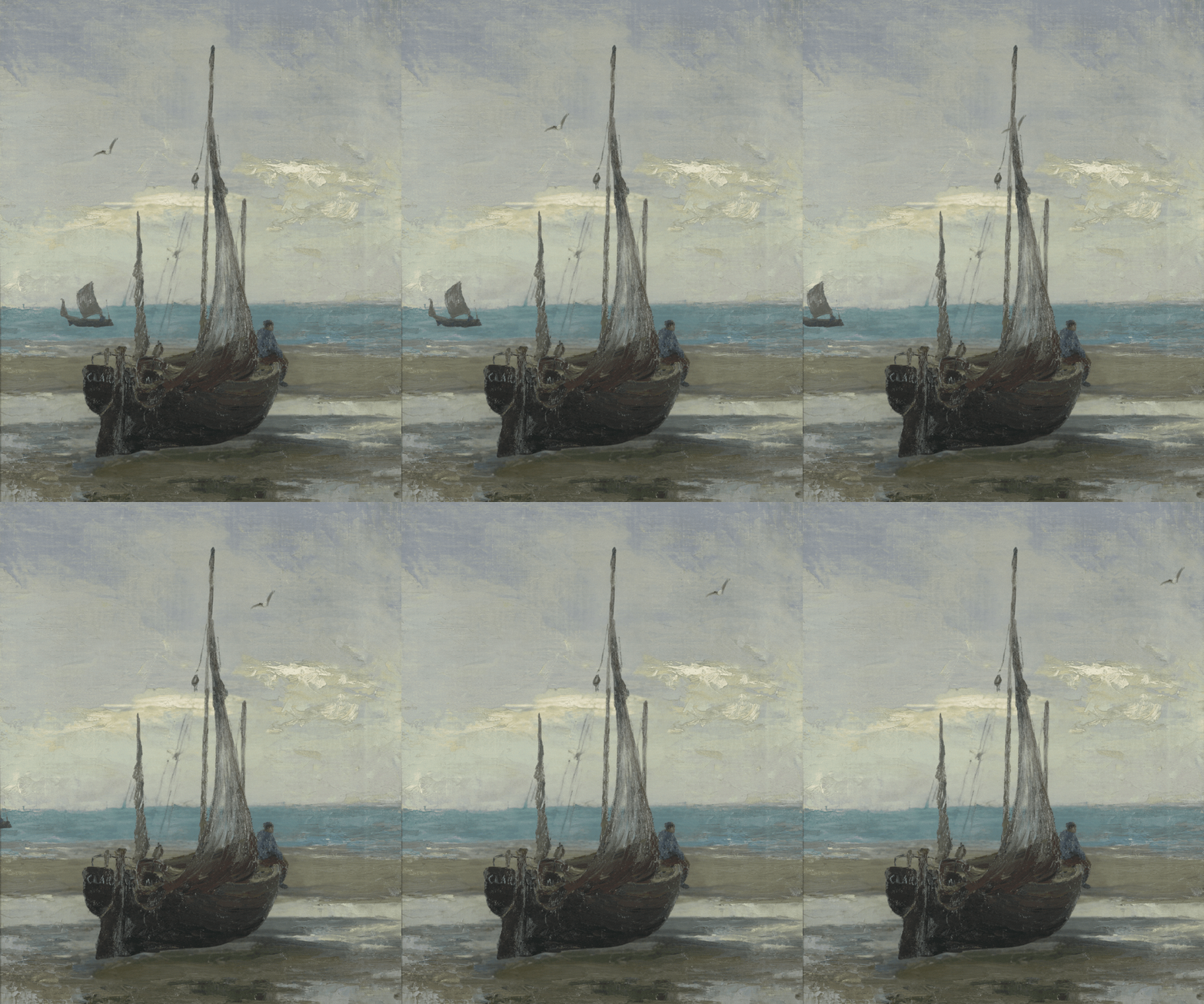
“Pannepot op het strand” (animated) by Edgard Farasyn, NAVIGO, artinflanders.be, photo: Dominique Provost, public domain.
New survey, new insights
We are continuing to refine this digital intake service behind the scenes. And to better support our content partners, we recently surveyed them again about their digital collections. What do they look like? And what are their needs for digital intake? 54 respondents from archives, heritage libraries, performing arts organisations, heritage societies, museums and government organisations shared their insights.
It’s notable that:
There is a persistent demand for digital intake, mainly from museums and archives – not only for material that can currently be ingested (video, photo and audio) but also for different types that we have not yet widely accepted through digital intake. This includes ‘complex objects’, for example, which is material consisting of multiple pages, objects photographed from different angles, or postcards with a front and back. If we want to build a broad digital memory with our partners, it’s important to digitally preserve more vulnerable heritage – not only in terms of quantity but also in the diversity of collections.
Most respondents have large volumes waiting for intake – 30% have more than 50,000 files on the shelf. These are currently mainly stored on their own servers, hard drives or in the cloud. It is expected that these collections will grow significantly in the coming years.
Preparing archival material for digital intake requires specific skills – the self-assessment of these digital skills varies greatly between different sectors and within sectors themselves.
Content partners need user-friendly tools, want more control and wish to build their own expertise – but also request guidance in preparing for intake and in the digital management of collections.